Gallery
Regen-360 BioSoil production
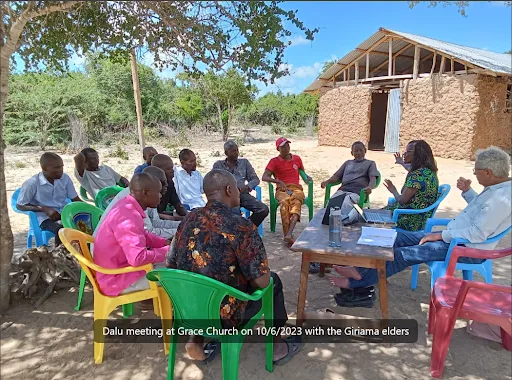
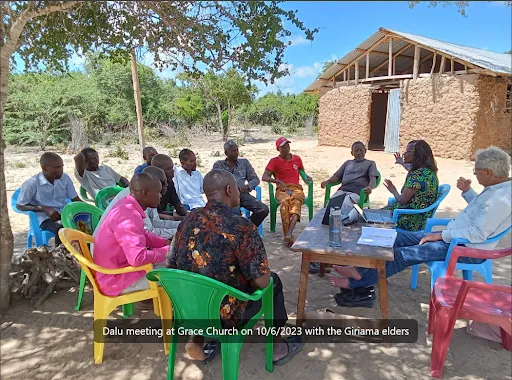
Meeting of elders to introduce the project to communities. 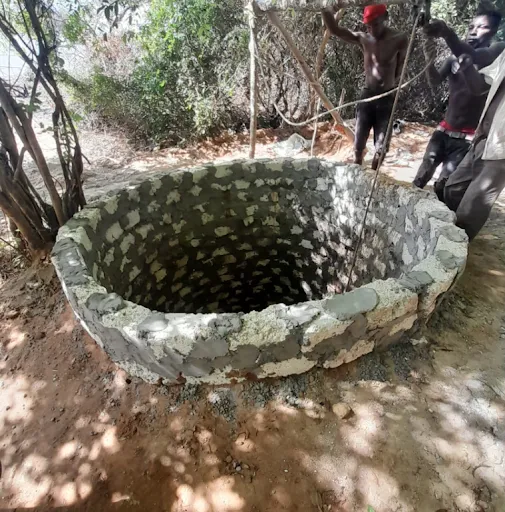
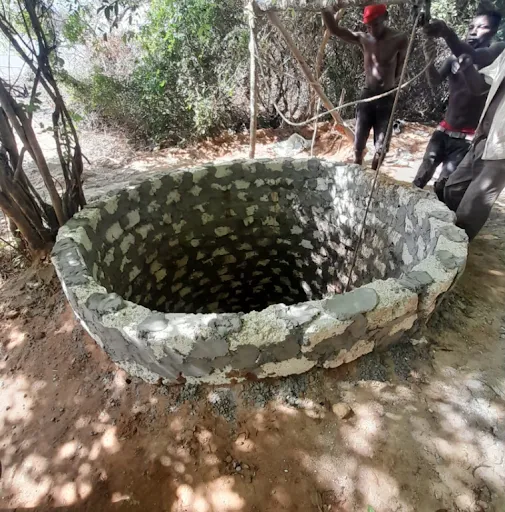
Traditional hand-dug well at Regen-360’s BioSoil Production Center 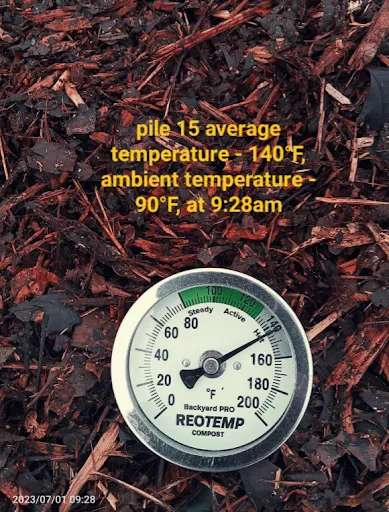
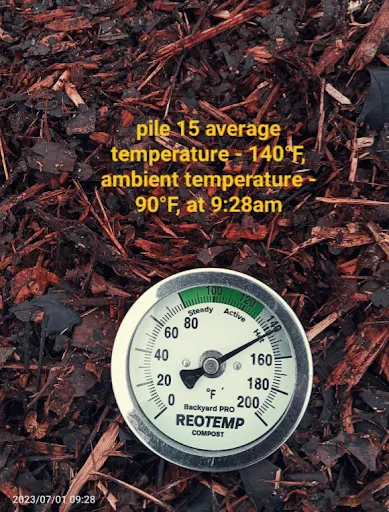
Strict Temperature and BioSoil Moisture monitoring of the BioSoil piles is necessary throughout the production period to ensure that the pile doesn’t spontaneously combust resulting in a pile, that all pathogenic organisms and volunteer seeds are destroyed, and that the optimal mix of diverse and beneficial microorganisms are produced in sufficient numbers to establish a functional and cycling Soil Food Web in farmer’s fields. 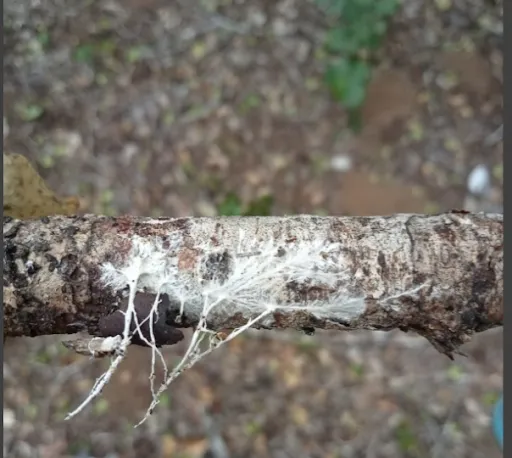
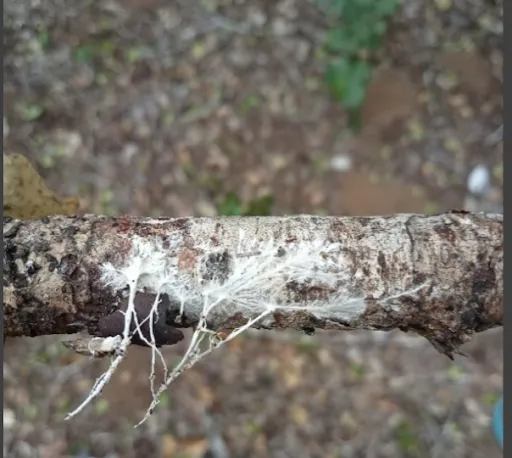
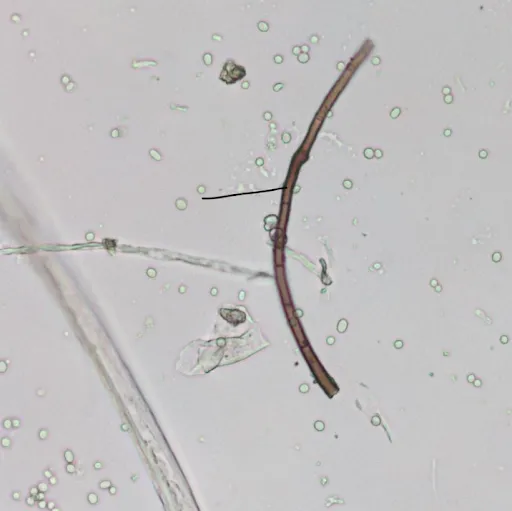
Small quantities of native and indigenous microorganisms like the fungal mycelia above are carefully harvested from nearby forests following rains to ensure that local diversity is included in Regen-360’s BioSoil piles. This helps ensure fungal connections between cash crops and indigenous plants so that nutrients can be exchanged, and a greater variety of diseases can be controlled. 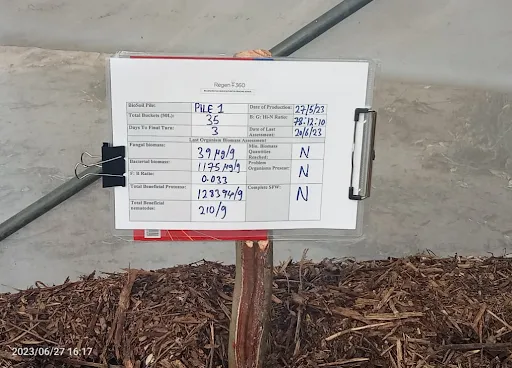
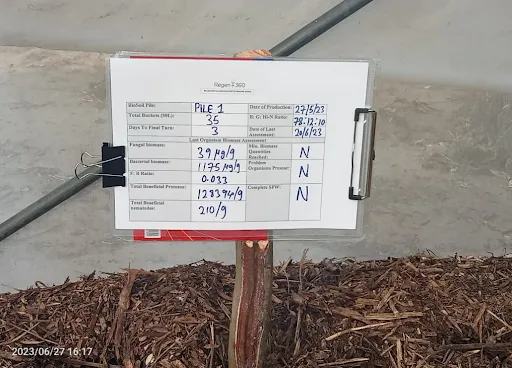
Each BioSoil pile is appropriately labeled and frequently updated with recent microscopic analysis results for quick reference to enable the collection of the right mix of soil biology for different cash crops and requirements of individual farmer fields. 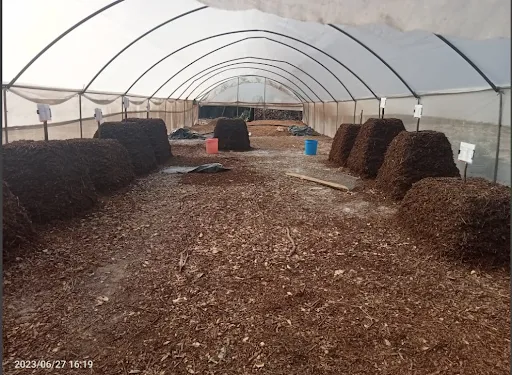
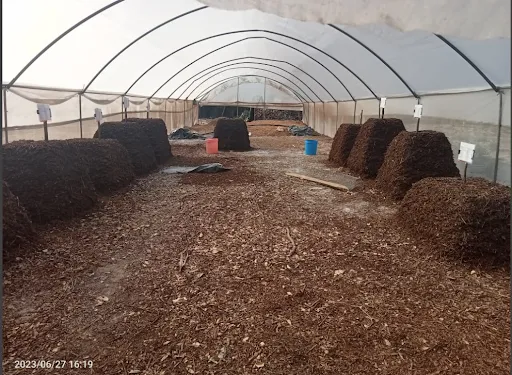
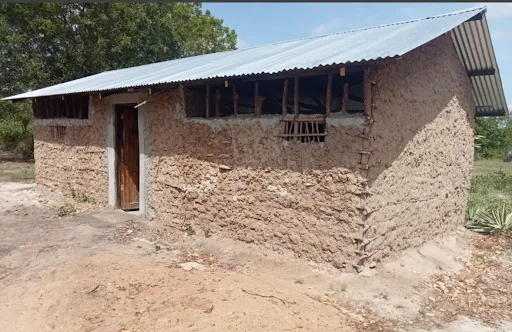
Regen-360’s BioSoil hub that will serve 5 local ethnic communities, nearby communities, and smallholder farms as well as commercial farms in the area. Each greenhouse will hold approximately 60 piles (120 tons). 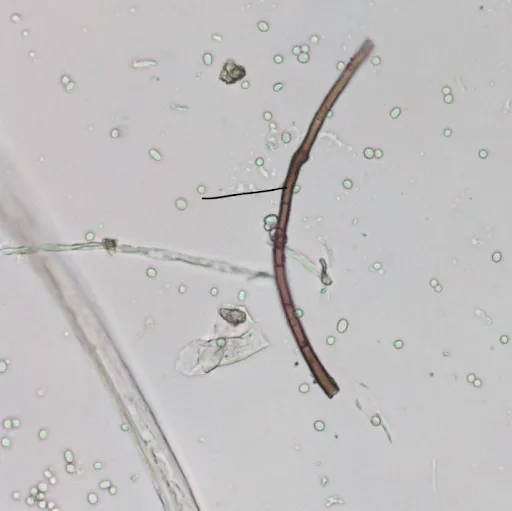
Beneficial fungi growing in Regen-360’s BioSoil pile. Fungi are a key component of a functional Soil Food Web and critical for the success of Regenerative Agriculture and Grazing on farms, ranches, and pastoral lands. Tillage and chemical agriculture destroys these fungi and prevents the Soil Food Web from functioning. 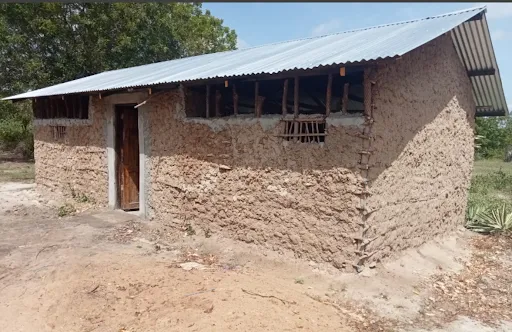
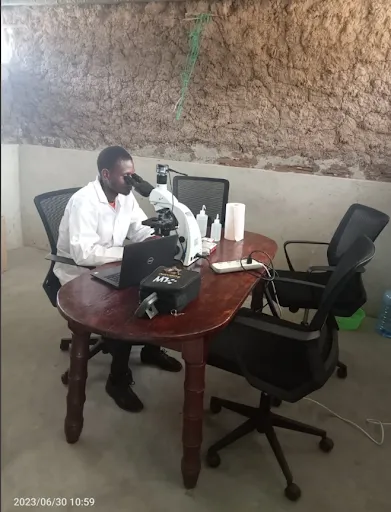
Regen-360 Lab at the farm 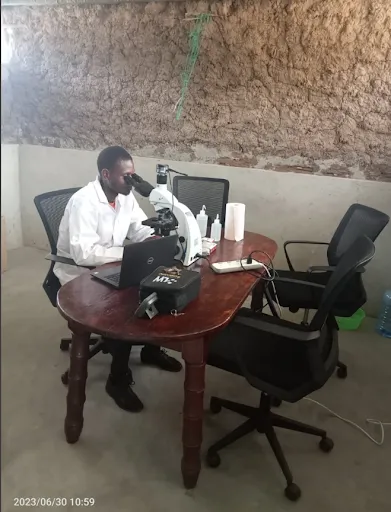
Our Soil Lab Technician, examining compost samples
From the field
Quarantines, laboratories and livestock · Kenya, Oman, Somalia & Ethiopia
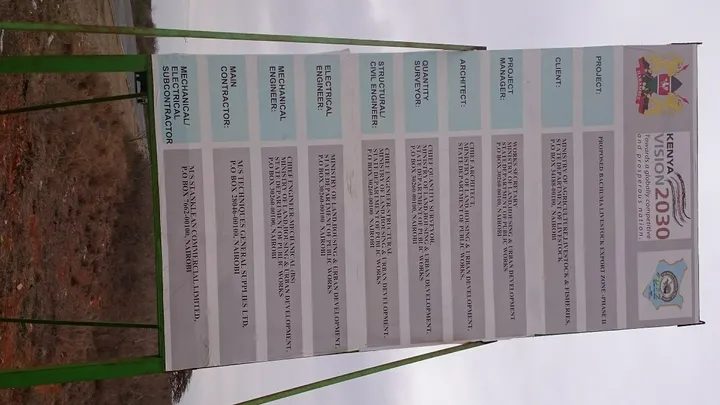
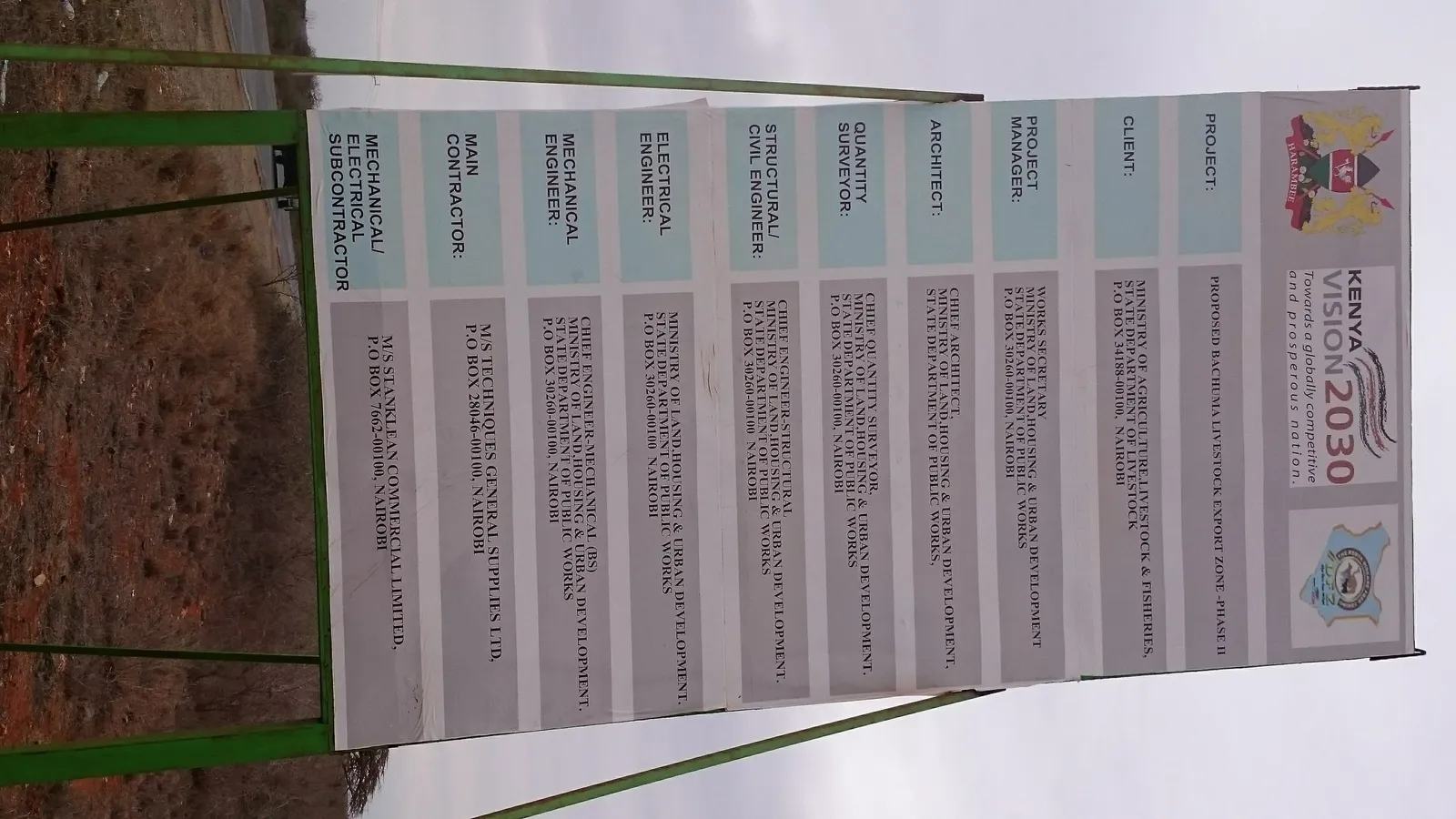
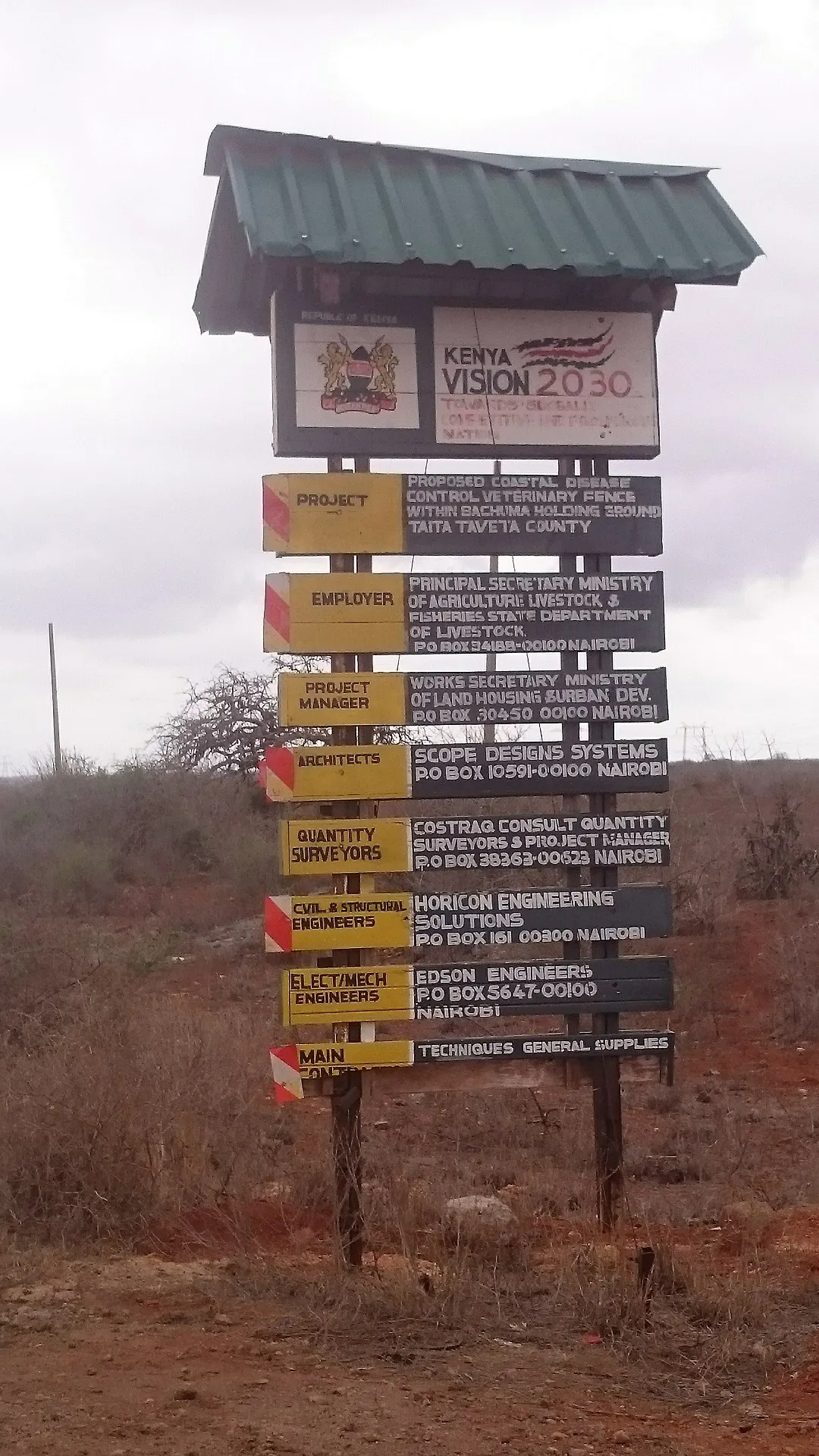
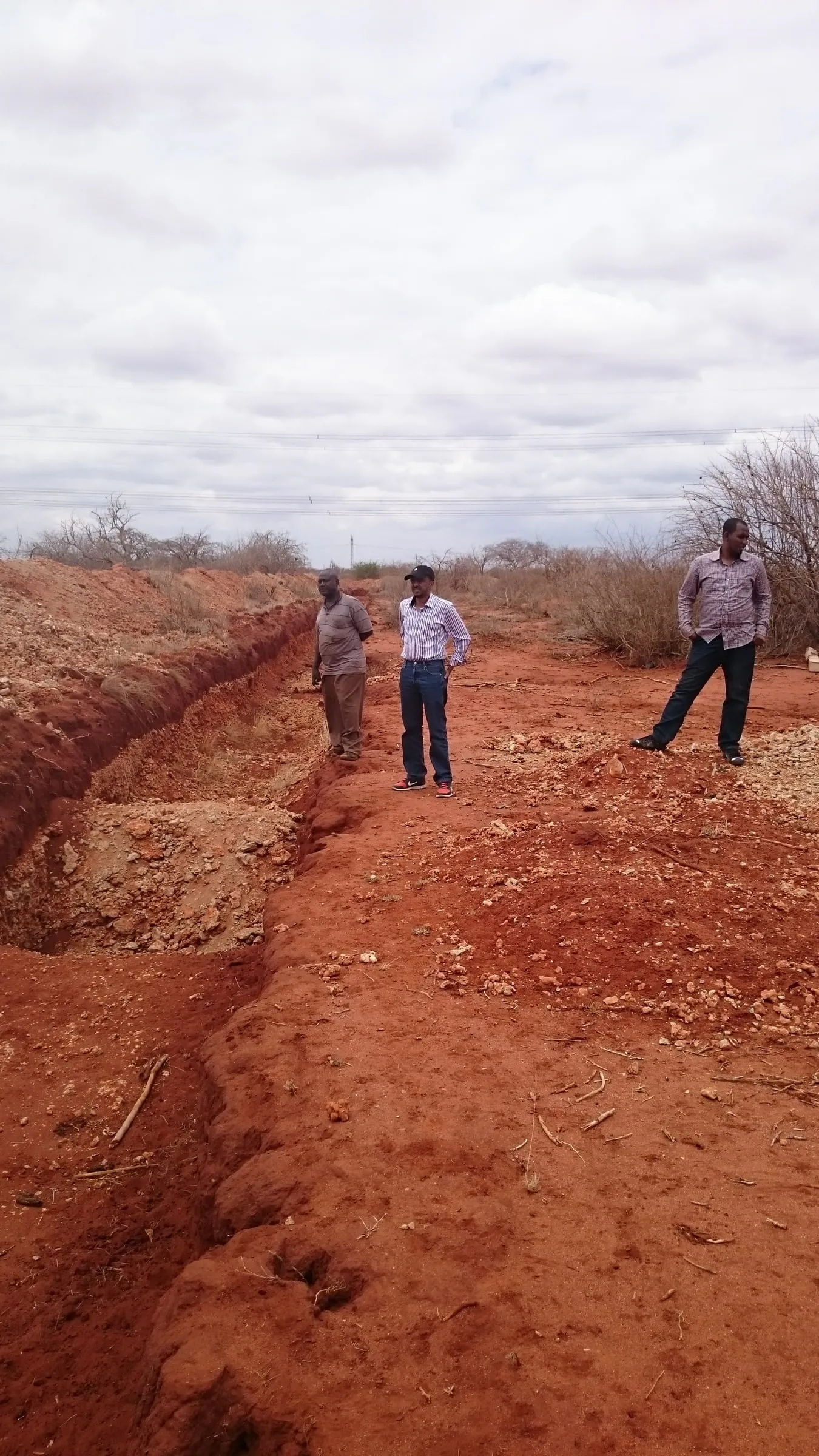
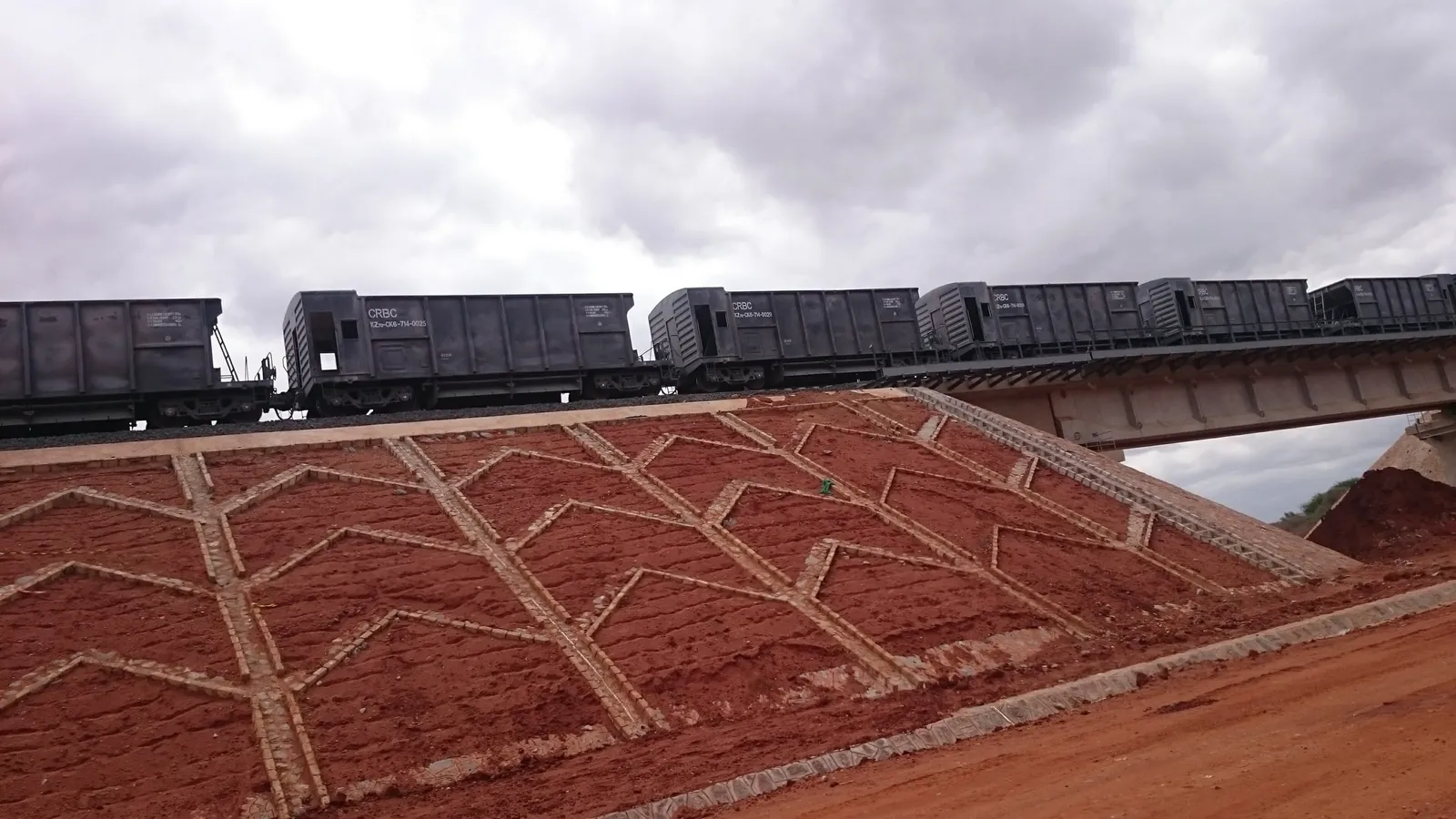
Bachuma, KenyaThe Bachuma Quarantine under construction by the Government of Kenya which will be Operated and Managed by a Specialized Livestock Service Provider. 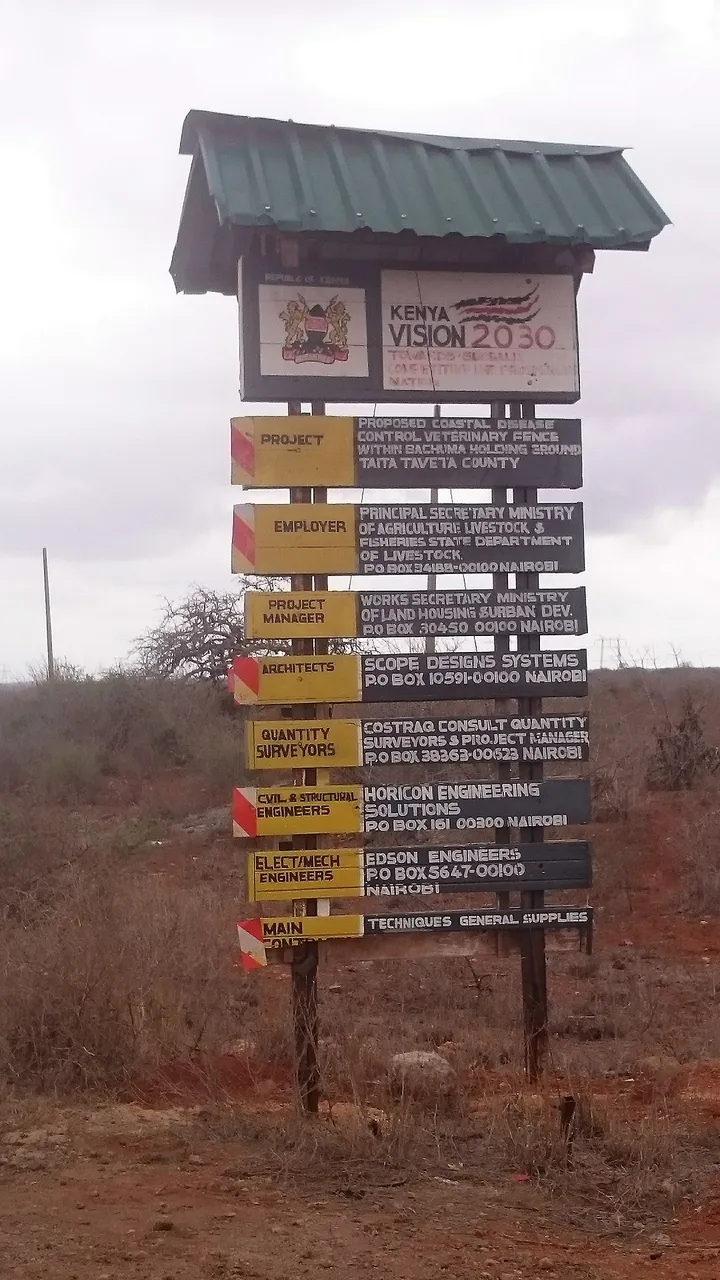
Bachuma, Kenya 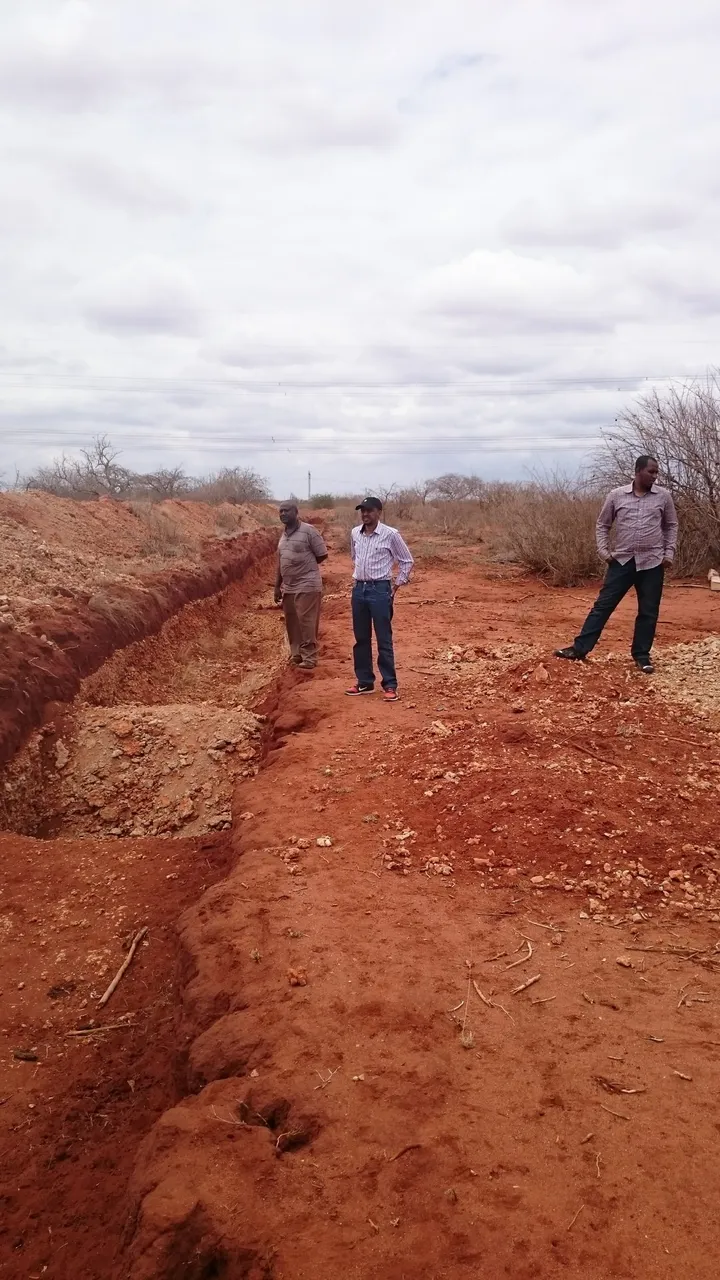
Bachuma, Kenya 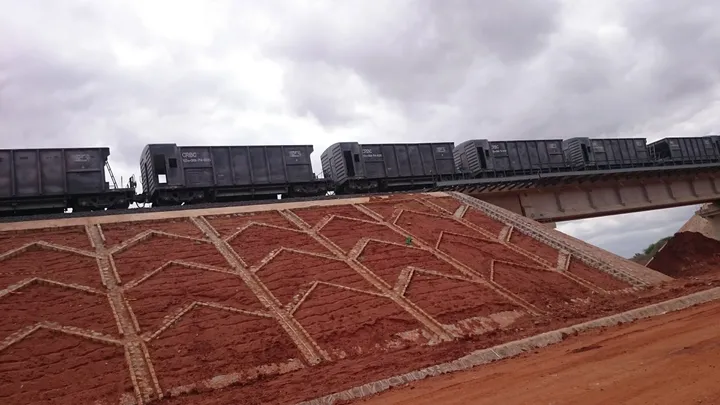
Bachuma, Kenya 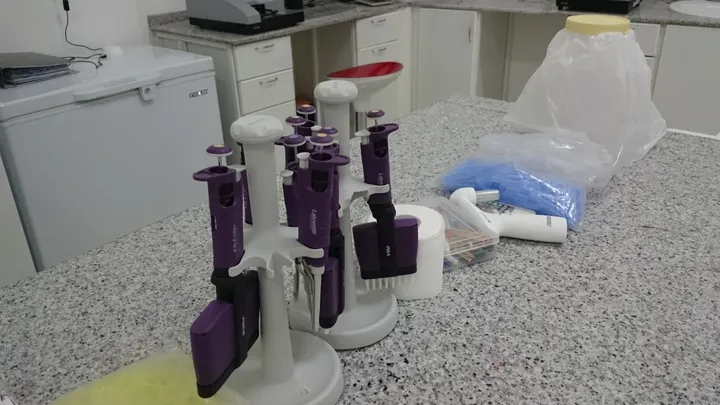
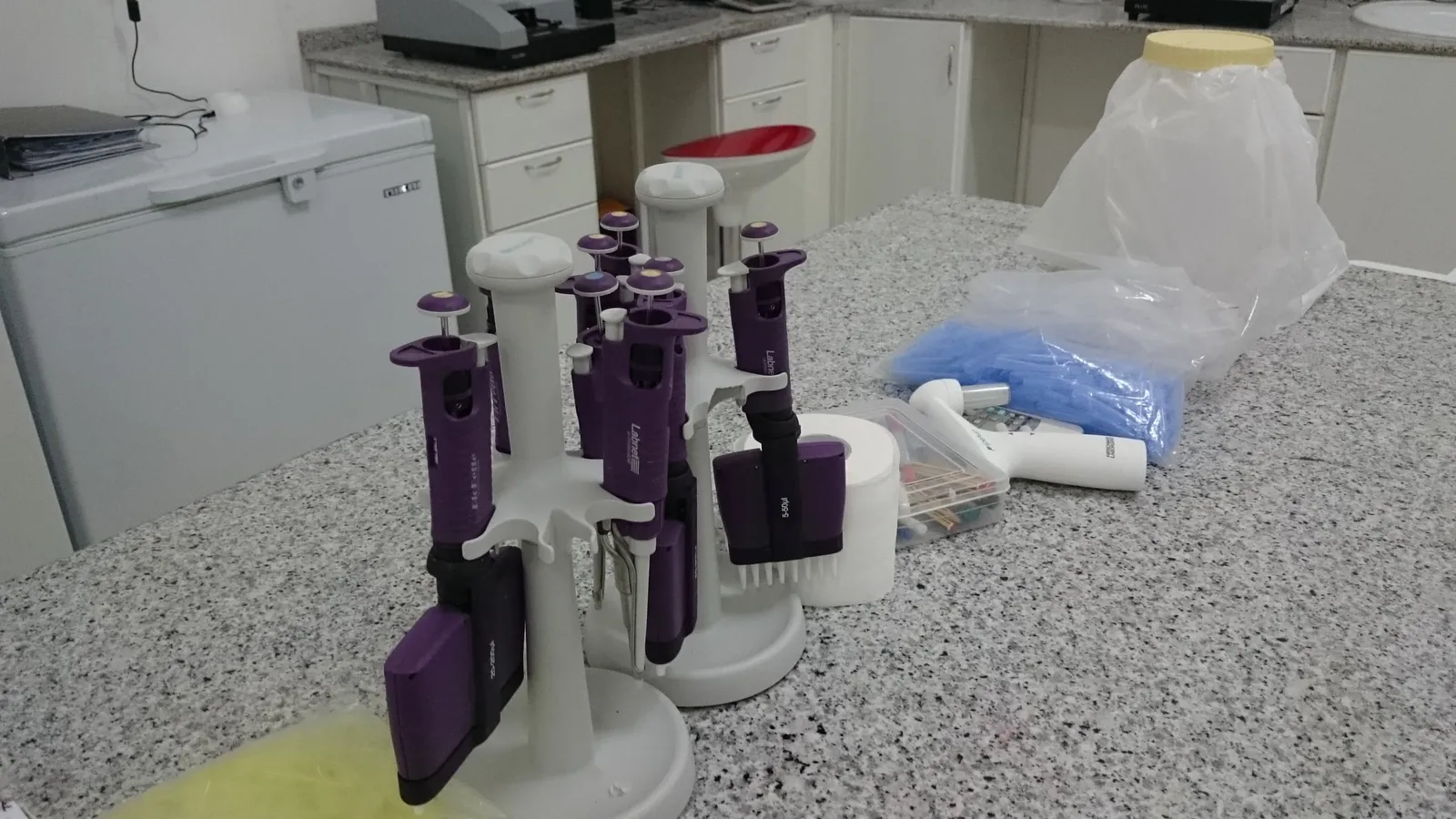
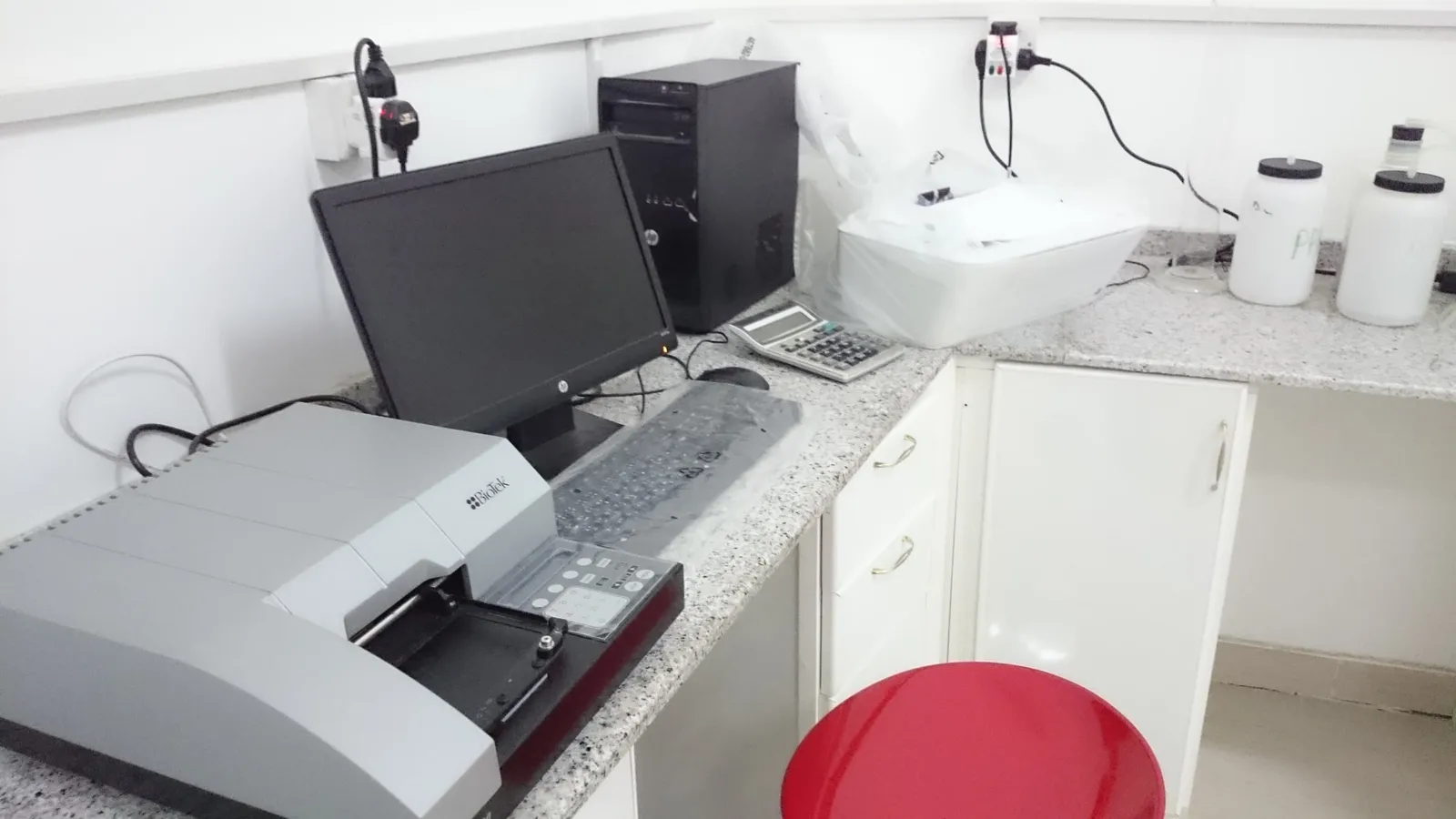
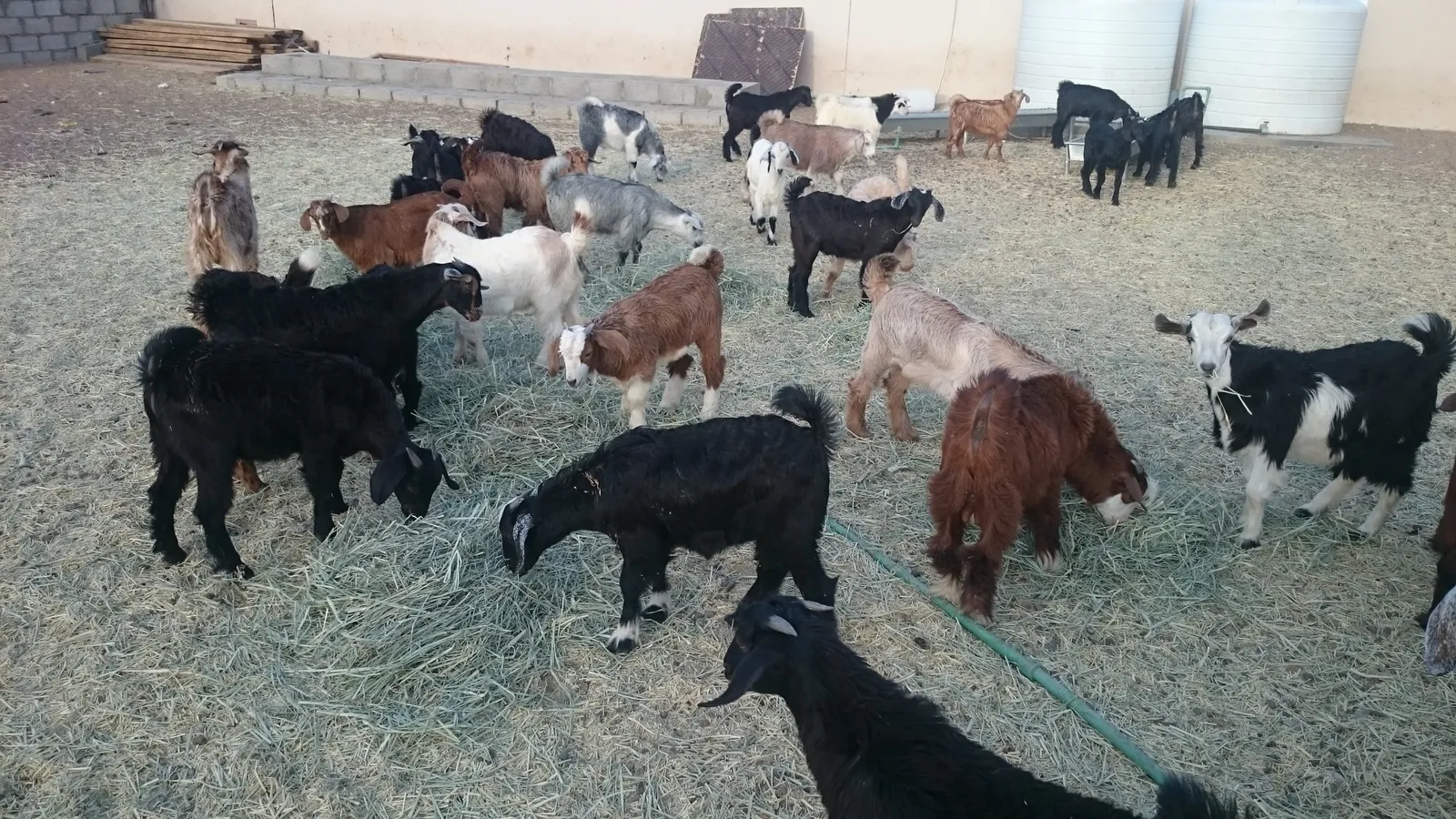
Buraimi, OmanThe quarantine has a state-of-the-art laboratory said to be among the most advanced livestock laboratories in Oman. 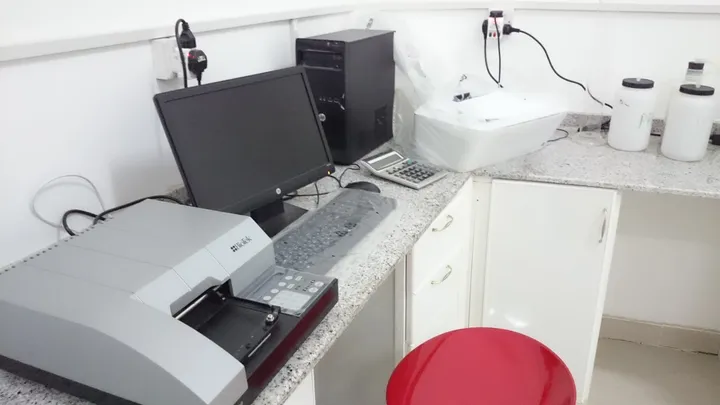
Buraimi, Oman 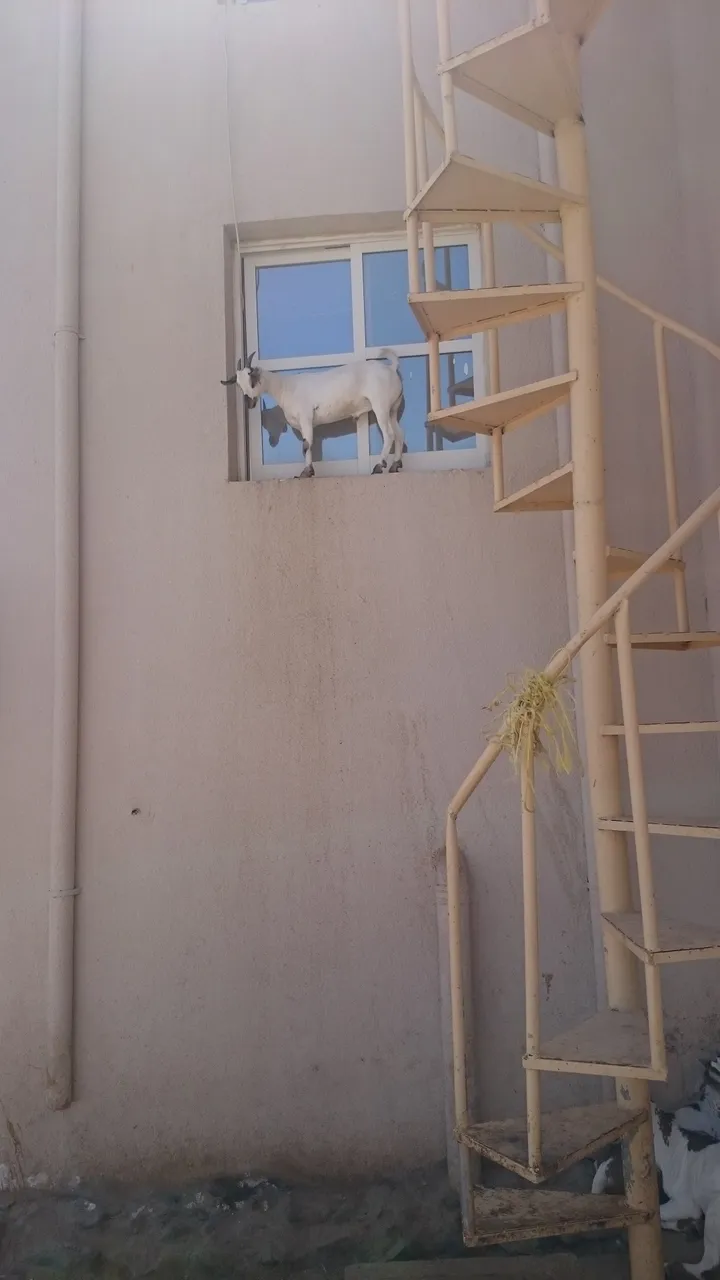
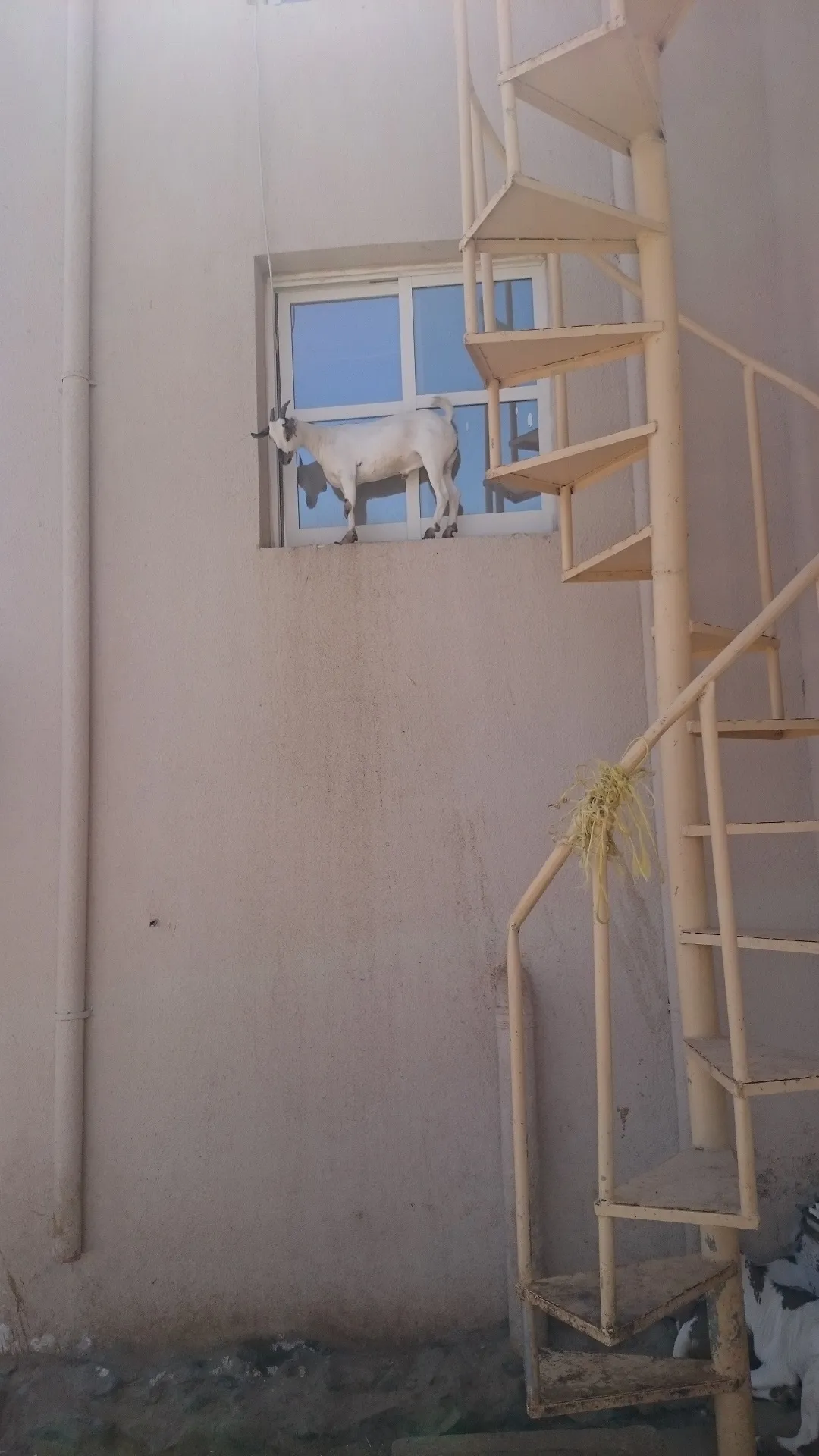
Buraimi, OmanGoat in window, Buraimi, Oman Quarantine 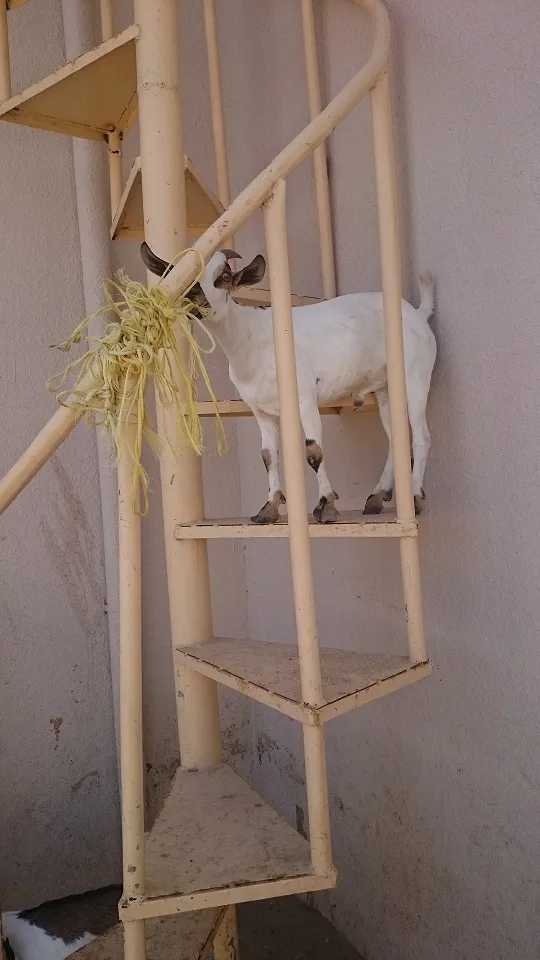
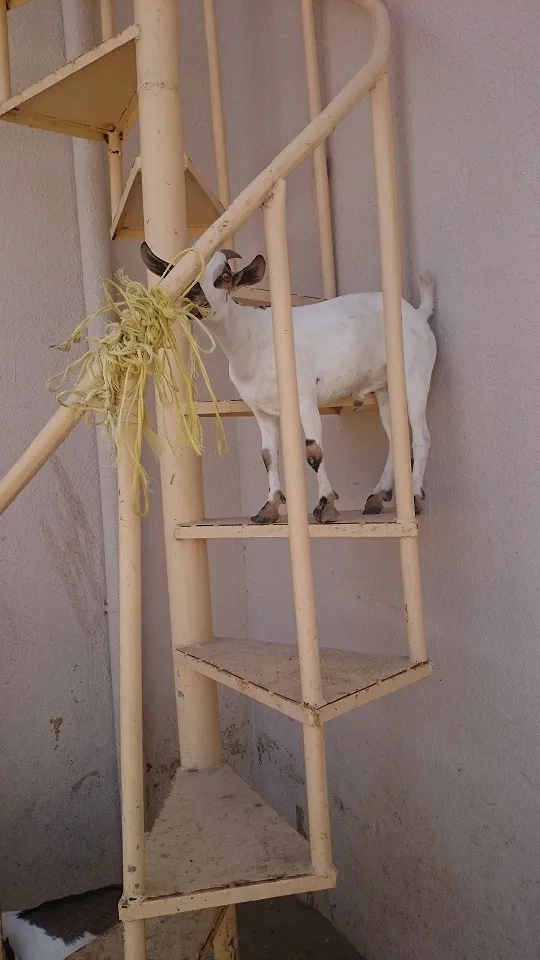
Buraimi, OmanCurious goat trying a spiral staircase in the Buraimi, Oman Quarantine 
Buraimi, Oman 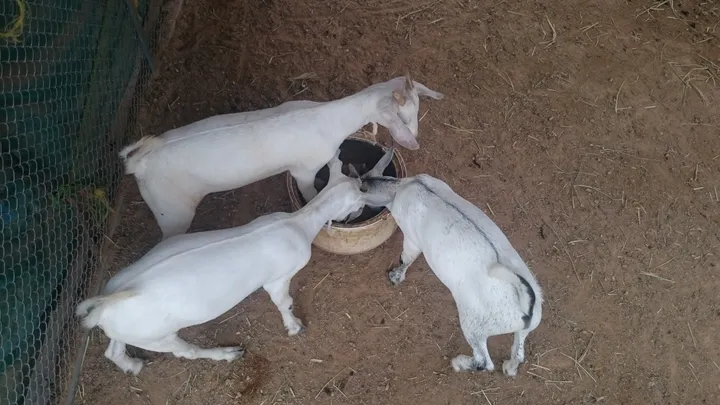
Salalah, Oman 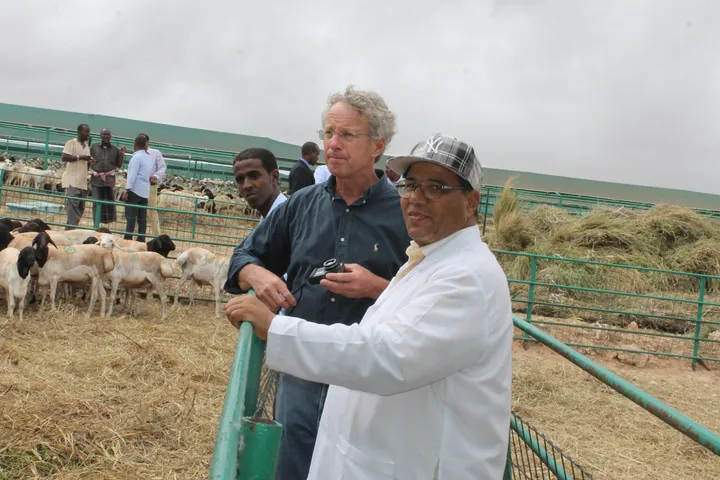
Somalia 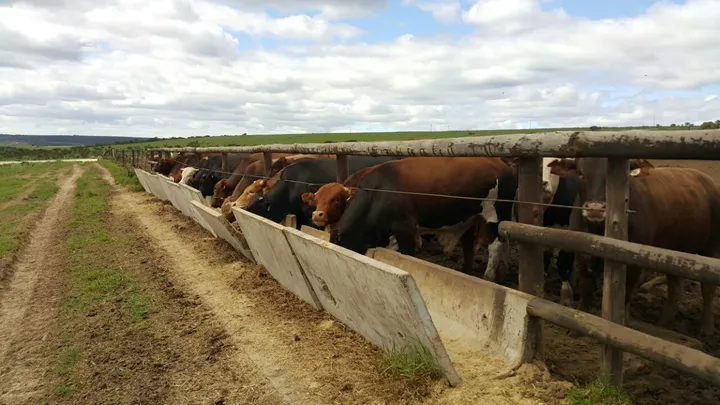
Ethiopia 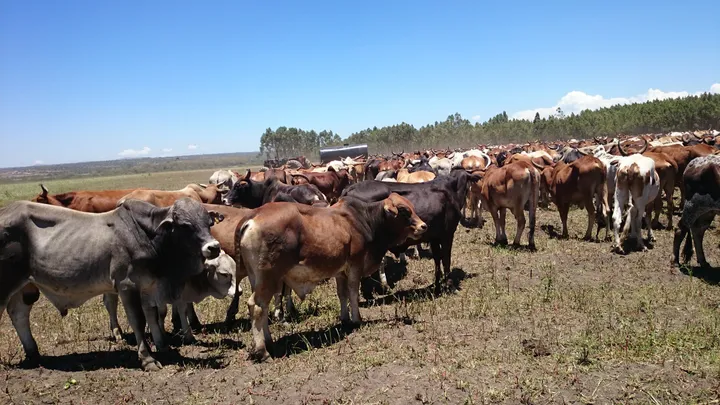
Maasai Mara, Kenya 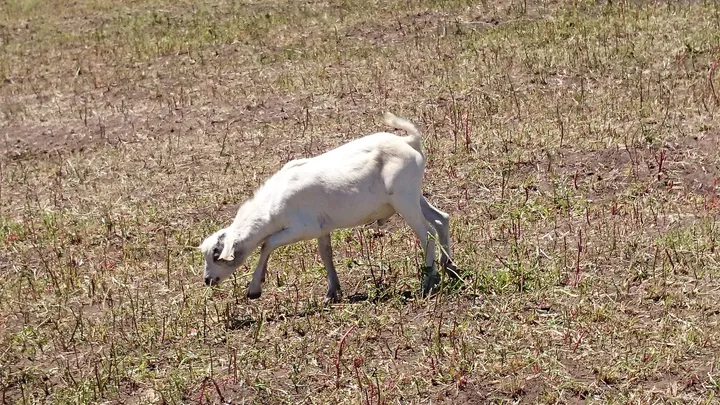
Maasai Mara, Kenya 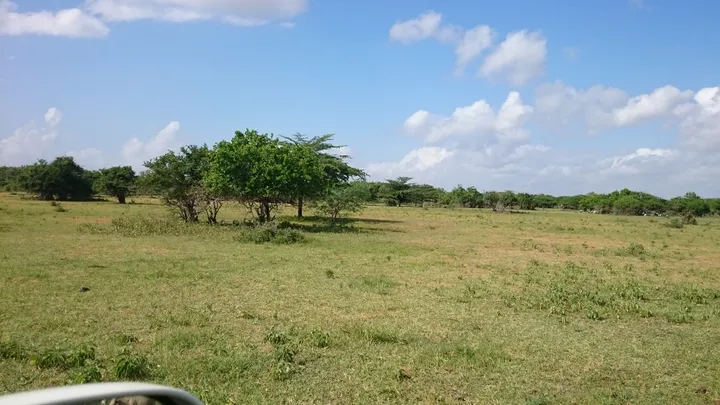
Coastal Riverside Farm, Kenya 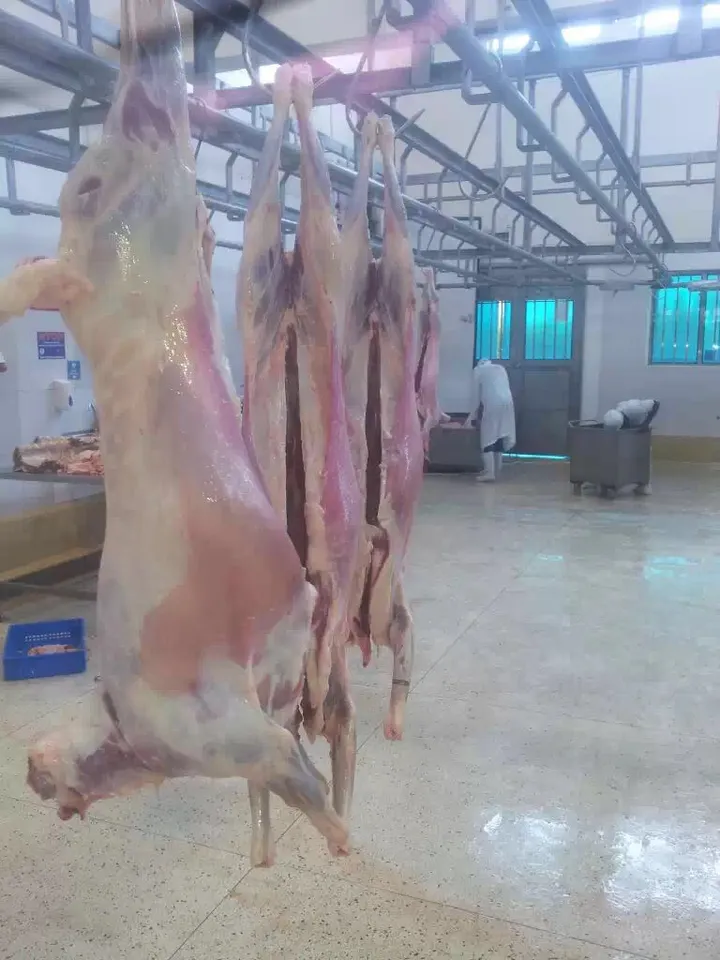
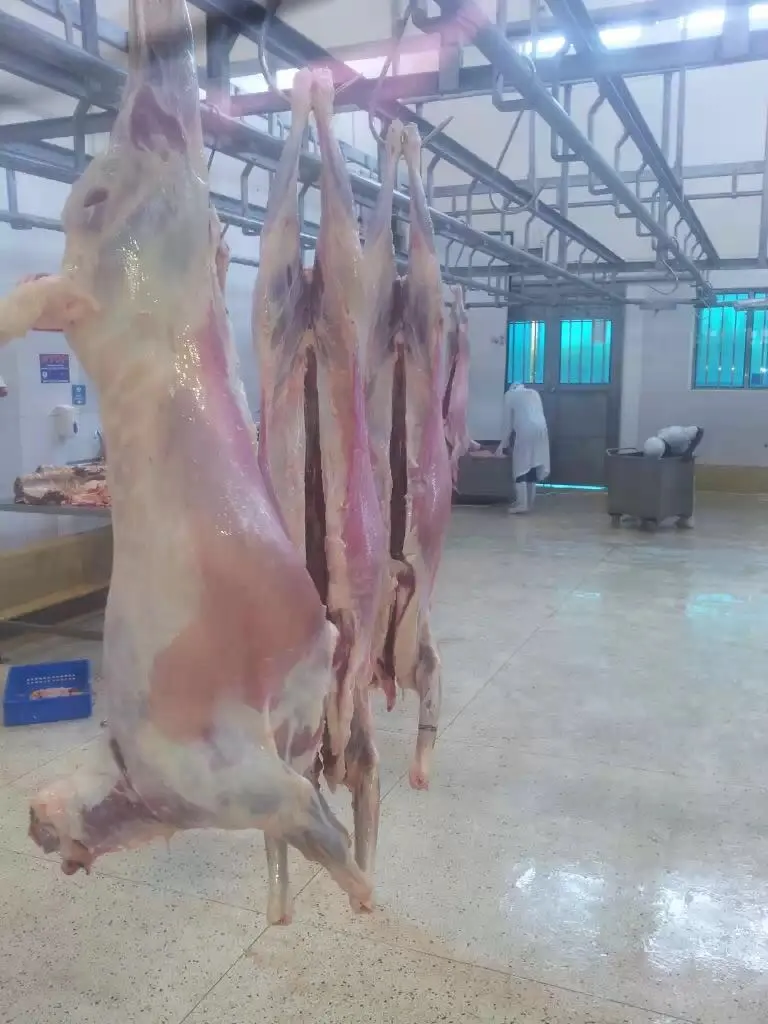
Nema Slaughterhouse, Nairobi 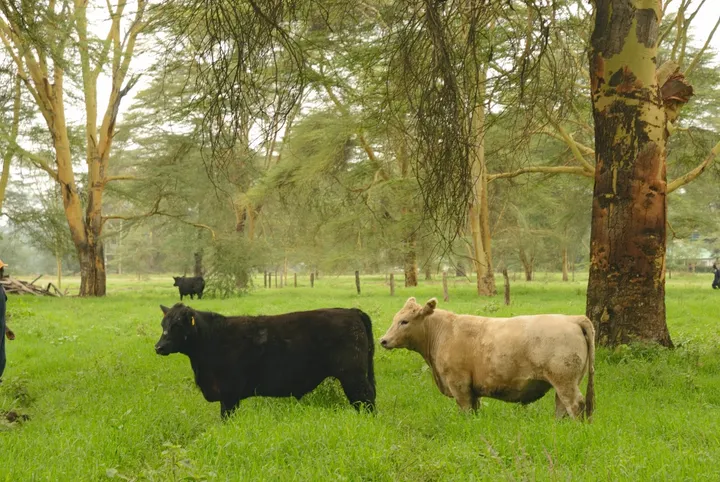
Naivasha, Kenya